A modern hotel in the House of Printing

A modern hotel in the House of Printing

Live in the center, live in history

Hotel «Nogai», Kazan

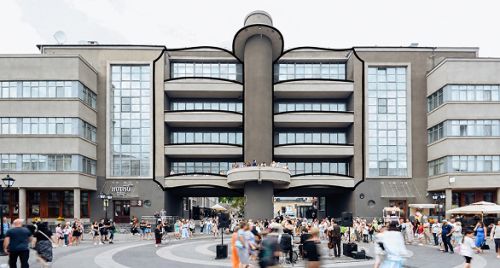
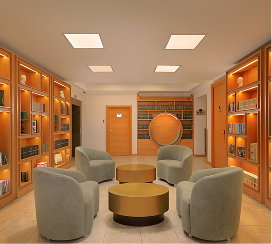
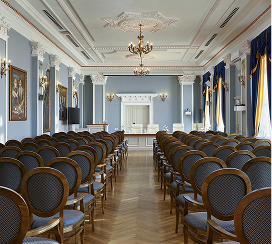
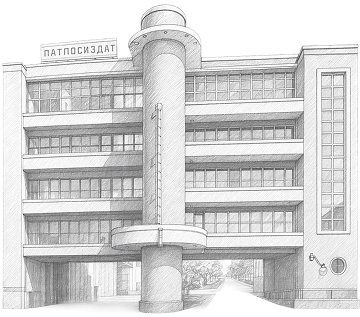
The four—star Nogai Hotel is located on the main pedestrian street of the city, the place where the cultural and historical heart of Kazan beats. This is not just a hotel, but a part of living history: the building in which it is located is the famous Printing House, an architectural monument of the 1930s, a vivid example of Soviet constructivism. The Nogai Hotel has 154 comfortable rooms, 4 conference rooms, a business area, a spa, a gym, a private parking lot, a library, a children's room, a lounge area and two restaurants: with national, German-Bavarian cuisine and its own brewery.

Advantages

Accommodation

Standard with a large bed

Area: 18-31 m2

Capacity: up to 2 seats

Beds: Double bed

Standard and modern room with a large bed.

Standard with two beds

Area: 18-31 m2

Capacity: up to 2 seats

Beds: Two single beds

Standard and modern room with two beds.

Standard for low mobility groups with two beds

Area: 18-31 m2

Capacity: up to 2 seats

Beds: Two single beds

Standard and spacious room with two separate beds for people with limited mobility.

Standard Comfort with a large bed

Area: 25-32 m2

Capacity: up to 2 seats

Beds: Double bed

Spacious, bright room with a large bed.

Superior with a large bed

Area: 28-36 m2

Capacity: up to 2 seats

Beds: Double bed

Spacious and comfortable room with a large double bed.

Deluxe suite with a large bed and sofa

Area: 33-46 m2

Capacity: up to 4 seats

Beds: Double bed

Spacious and elegant room with a large bed and sofa.

Two-room Family Room

Area: 38-49 m2

Capacity: up to 4 seats

Beds: Double bed

Spacious two-room family room with panoramic view.

Junior Suite with a large bed and sofa

Area: 40 m2

Capacity: up to 3 seats

Beds: Double bed

Superior room with a large bed and sofa.

Two-room suite with a large bed and sofa

Area: 40-51 m2

Capacity: up to 3 seats

Beds: Double bed

Designer two-room suite with a large bed and sofa.

Two-room apartment with kitchen

Area: 67 m2

Capacity: up to 3 seats

Beds: Double bed

Spacious two-room suite of the highest category with its own kitchen.

The Presidential Suite

Area: 105 m2

Capacity: up to 3 seats

Beds: Double bed

Luxury designer suite of the highest category.

Offers

NOGAI: THE HOTEL IN THE HOUSE OF PRINTING

Heritage and Concept

The Nogai Hotel is located in the historical Press House building — a cultural heritage site. The building resembles an open book — this very metaphor shapes the logic behind all spatial, service, and emotional solutions.

The project implements a model of immersive cultural hospitality, in which the hotel ceases to be a mere accommodation infrastructure and becomes a living mediator between history, literature, and the modern guest experience.

NOGAI: THE HOTEL IN THE HOUSE OF PRINTING

Space as a Text That Can Be Read

Every interior element works as part of a single narrative.

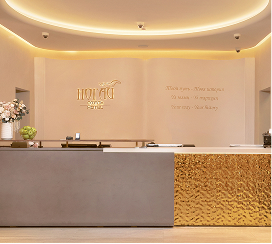
An open book at reception creates the moment of the first “reading” of the hotel, while quotes by writers form a “living text environment” in public areas.

New Creative Scenarios of the Guest Experience

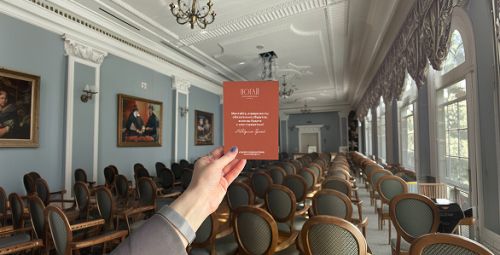
Guest's Personal Chapter. The guest receives a personalized literary text reflecting their stay scenario.

Letter from the Press House. An emotional entry into the building's history through messages from 1930s writers.

Space as a text that can be read

Every interior element works as part of a single narrative.

An open book at reception creates the moment of the first “reading” of the hotel, while quotes by writers form a “living text environment” in public areas.

NOGAI: THE HOTEL IN THE HOUSE OF PRINTING

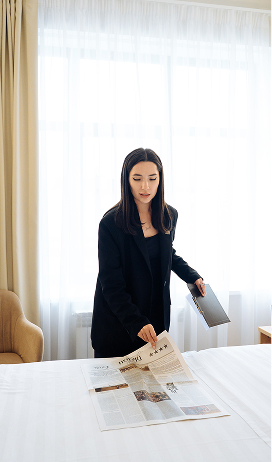
Creative tradition. The “guest directory” is designed in a newspaper format, continuing the typographic identity of the building.

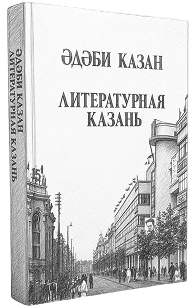
Heritage in every room. An anthology of works by authors associated with literary Kazan is available in all rooms.

New creative scenarios of the guest experience

Guest's personal chapter. The guest receives a personalized literary text reflecting their stay scenario.

Letter from the Press House. An emotional entry into the building's history through messages from 1930s writers.

Creative tradition. The “guest directory” is designed in a newspaper format, continuing the typographic identity of the building.

Heritage in every room. An anthology of works by authors associated with literary Kazan is available in all rooms.

Interactive heritage of the Press House

A 1926 typewriter as a tangible artifact;

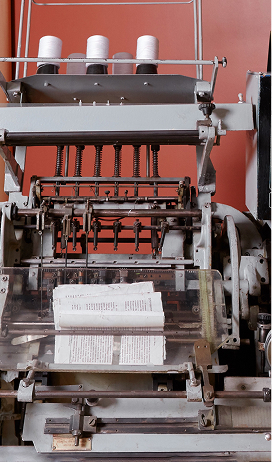
A book-sewing machine, previously used for creating books;

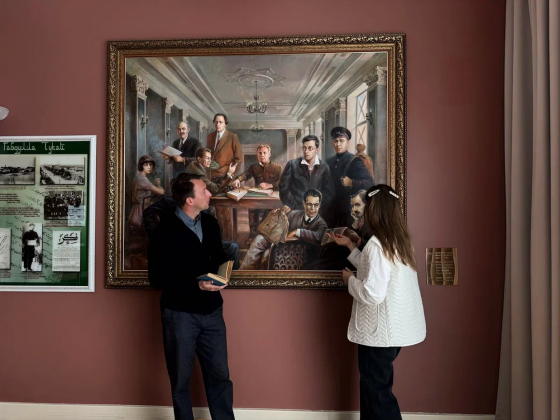
Multimedia panels with archives and the history of the building;

Artworks reflecting Kazan of the 1920s;

Cultural interpretation of the historical building

The Nogai Hotel is located in the historical Press House building and preserves its cultural heritage as an important part of the city's history.

For Nogai, history is not a backdrop, but the foundation of the concept.

The hotel connects the past and present, creating a cultural space with respect for the memory of the place and its significance for the city.

Interactive heritage of the Press House

A 1926 typewriter as a tangible artifact;

A book-sewing machine previously used for creating books;

Multimedia panels with archives and the history of the building;

Artworks reflecting Kazan of the 1920s;

NOGAI: THE HOTEL IN THE HOUSE OF PRINTING

Cultural interpretation of the historical building

The Nogai Hotel is located in the historical Press House building and preserves its cultural heritage as an important part of the city's history.

For Nogai, history is not a backdrop, but the foundation of the concept.

The hotel connects the past and present, creating a cultural space with respect for the memory of the place and its significance for the city.


Articles

Муса Джалиль: воспоминания о поэте в Доме печати

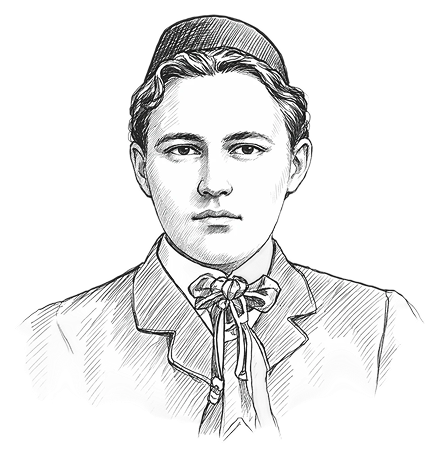
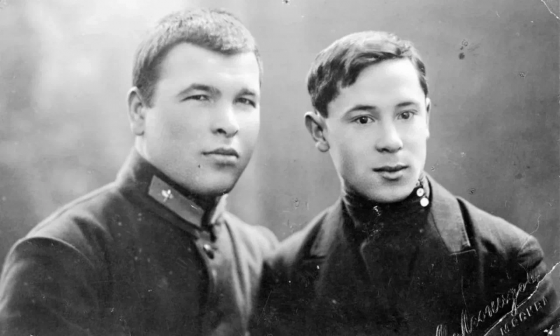
Есть места, которые сами становятся частью истории. Дом печати в Казани — одно из них. Здесь в 1930-х гг. выходили книги, газеты и журналы, собирались писатели и журналисты, формировалась литературная жизнь республики. Здесь работал Муса Джалиль, выдающийся татарский поэт, журналист, военный корреспондент, Герой Советского Союза, автор знаменитой «Моабитской тетради».

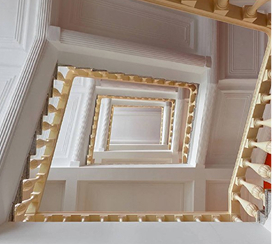
Сегодня в историческом Доме печати располагается отель «Ногай». Здесь бережно сохраняли историческую лестницу, фотографии, артефакты и материалы, связанные с прошлым здания.

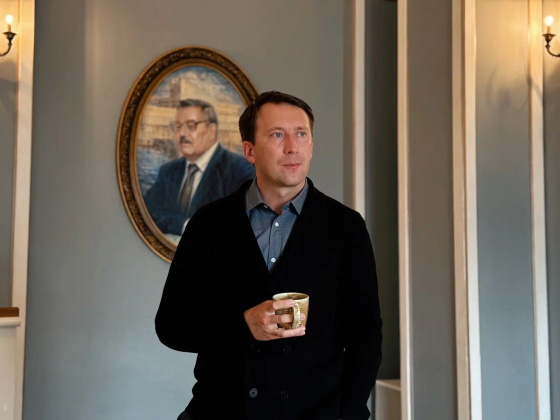
В преддверии Дня памяти Мусы Джалиля мы поговорили с гидом и автором блога «Прогулки по Казани» Игорем Боталовым. О том, каким был Джалиль до войны, почему его судьба долго оставалась под вопросом, что скрывается за образом героя и почему сегодня его стоит читать не только по памятным датам.

Интервью: Игорь Боталов о Мусе Джалиле

— Игорь, каким вы сегодня видите Мусу Джалиля?

— Наверное, раньше для меня он был прежде всего автором из школьной программы. Но когда начинаешь изучать его жизнь глубже, понимаешь, насколько это был живой, деятельный человек. Он постоянно учился, занимался спортом, работал, писал. У него был прекрасный юмор, очень заразительный смех. Он любил жизнь.

И мне кажется, это важно помнить, потому что сегодня Джалиля часто воспринимают исключительно через войну, плен и трагический финал. А ведь до войны это был молодой, энергичный поэт, который писал о природе, детях, любви, человеческих отношениях.

В Казани он оказался ещё совсем молодым — приехал получать образование, учился, работал в газете. В 1925 году вышел его первый сборник стихов. Позже была Москва, работа с детскими журналами, литературная и общественная деятельность.

То есть перед нами не только человек, который совершил подвиг в последние годы жизни. Это поэт, который успел сформироваться как большая литературная фигура ещё до войны.

— В Казани его биография вообще очень тесно связана с городом.

— Да. И это одна из причин, почему мне кажется важным начинать знакомство с Джалилем именно здесь, в Доме печати.

В конце 1930-х годов он возглавлял Союз писателей, работал в Татарском государственном театре оперы и балета, был депутатом Казанского городского совета. Это был человек, который активно участвовал в культурной жизни города, а Дом печати был одним из её центров.

Здесь он работал, встречался с коллегами, здесь находились люди, с которыми он был связан. И именно отсюда он ушёл на фронт.

— Почему сегодня многие знают имя Джалиля, но почти не знают его историю?

— Во многом потому, что судьба людей, оказавшихся в плену, после войны долго оставалась неудобной темой. Джалиль тоже мог оказаться среди тех, кого история просто забыла.

Но он не только оказался в плену — он продолжал сопротивляться. Участвовал в подпольной работе, помогал другим военнопленным, писал стихи и сумел передать их на родину.

За его имя после войны вступились писатели, в том числе Константин Симонов и Александр Фадеев. Благодаря этому Джалиль вернулся в историю.

Поэтому для меня он — не только символ мужества, но и пример человека, который даже перед лицом смерти не сдавался, продолжал бороться.

— Если сегодня знакомить гостей Казани с Мусой Джалилем, какой маршрут вы бы предложили?

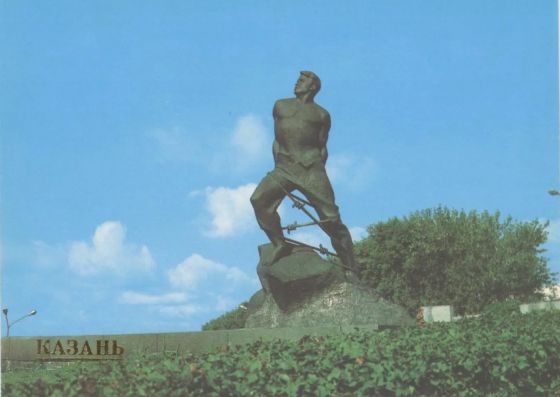
— Я бы начал отсюда — с Дома печати. Потом — мемориальная квартира, театр оперы и балета имени Мусы Джалиля и, конечно, памятник у Кремля.

Но очень важно везде добавлять контекст. Потому что памятник сам по себе не рассказывает человеку, кто перед ним.

— Что, на ваш взгляд, особенно важно сохранить для будущих поколений?

— Память должна быть живой, а не формальной.

Мне кажется, Джалиля нужно не только вспоминать в дни памятных дат. Нужно давать человеку возможность случайно с ним встретиться: в книге, на экскурсии, в здании, которое хранит его историю.

Именно поэтому так важны места вроде Дома печати. Когда историческое здание не превращается просто в красивый фасад, а продолжает рассказывать о людях, которые здесь жили и работали, история становится частью сегодняшнего дня.

И, наверное, самое важное — продолжать читать его стихи и рассказывать о нём. Так память и остается живой.

All articles

News

Recognized by

Honours and Awards

The awards of the Nogai Hotel are the result of the well—coordinated work of the team and daily attention to each guest.

For us, this is a confirmation of the chosen path and a great motivation to become even better.


	The awards of the Nogai Hotel are the result of the well—coordinated work of the team and daily attention to each guest.


	For us, this is a confirmation of the chosen path and a great motivation to become even better.

Contacts

FAQ

  • Which historical building is the hotel located in?
    Response:

    The hotel is located in the historical building of the House of Printing, in the 30s of the last century the largest publishing house in Tatarstan was located here.

  • What special offers are available for booking?
    Response:

    Stay tuned!